Small apartment interiors can feel spacious without physically increasing the floor area. The key is to reduce wasted space, control visual clutter, and make furniture and storage decisions according to the actual dimensions of each room.
This is particularly relevant for compact homes in Punawale, Pune, where homeowners often need living, dining, storage, work, and entertainment functions within a limited footprint.
The first issue to examine is circulation. If people constantly need to move around furniture, squeeze past dining chairs, or shift objects to open cabinets, the layout is probably using space inefficiently.
Furniture scale can make an immediate difference. A compact sofa with appropriate proportions may provide sufficient seating without dominating the living room. Similarly, a four-seater dining arrangement may work better than a larger table that remains underused.
Vertical areas are frequently overlooked. Tall storage units can use wall height while preserving more floor area, although they should be positioned carefully to avoid making small rooms feel visually heavy.
Multifunctional solutions can also help. Depending on household requirements, possibilities include:
Beds with integrated storage
Study desks incorporated into cabinetry
Window seating with storage
Extendable dining surfaces
Compact entrance storage
Wall-mounted media units
Wardrobes with planned internal organisers
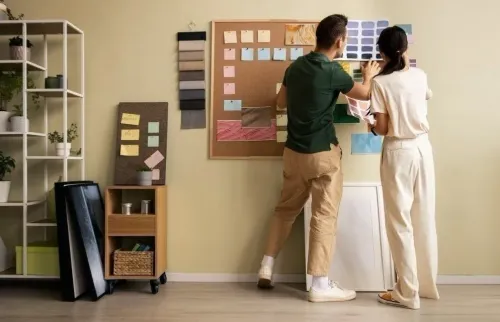
Colour is useful, but the common advice that every small home must be entirely white is too simplistic. Light colours can improve visual openness, but controlled darker accents can add depth. Consistency between major finishes often matters more than choosing one specific colour.
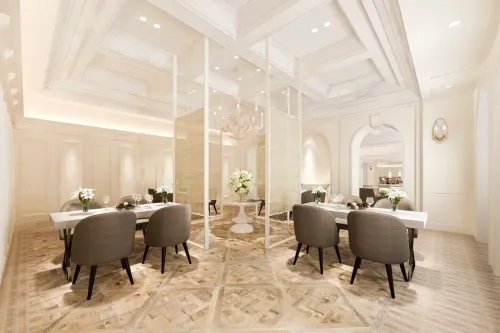
Mirrors can increase the perception of space when positioned thoughtfully, but excessive mirrored surfaces may create visual distraction. The same principle applies to glossy finishes.
Storage planning should focus on reducing visible clutter rather than simply adding cabinets. Every storage unit occupies space, so unnecessary cabinetry can make a compact apartment feel smaller.
Before finalising small apartment interiors, homeowners can create a scaled furniture plan or use 3D interior design to understand proportions. This makes it easier to identify oversized pieces and awkward circulation before installation begins.
In Punawale homes, where a compact apartment may still need to support work-from-home routines, family activities, and entertaining, flexibility becomes valuable. Not every area needs one permanent purpose.
A smaller home works well when each design decision earns its place. Prioritising movement, proportion, storage, and multifunctionality can make limited square footage feel organised rather than restricted.