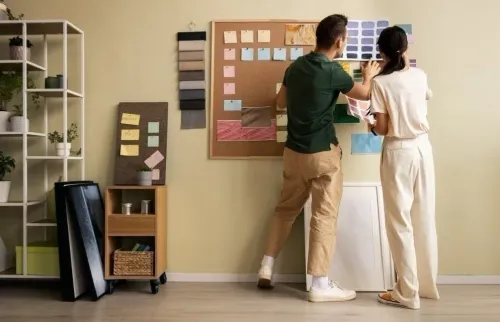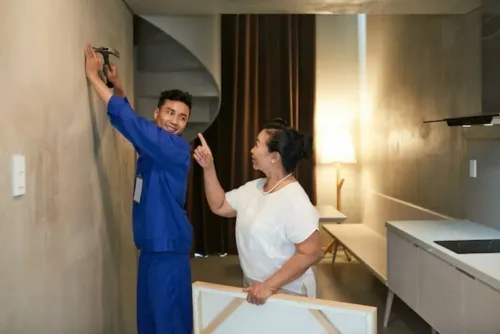
An interior design consultation becomes more productive when homeowners arrive with a clear picture of their priorities, even if they have not decided on a particular style. The first discussion should help establish the property's requirements, constraints, preferences, and expected scope.
Before an interior design consultation in Pune, start by listing the rooms that require work. Clarify whether you need complete residential interior design, selected-room improvements, an interior makeover, custom furniture, renovation, or a combination of services.
Next, identify practical concerns. These might include insufficient wardrobes, an inefficient kitchen, lack of workspace, poor lighting, unused corners, limited storage, or an outdated bathroom.
It is useful to prepare:
Property floor plan, if available
Approximate room dimensions
Photographs of the existing property
List of required rooms and furniture
Examples of styles you like
Existing items you want to retain
Storage requirements
Preferred project priorities
Approximate budget range
Expected usage or occupancy requirements
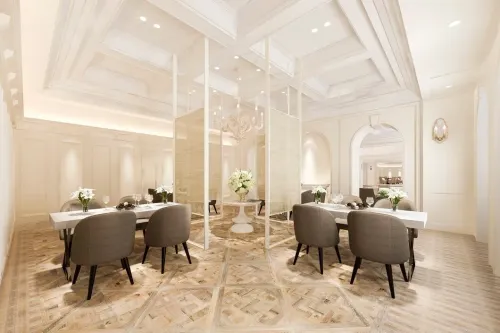
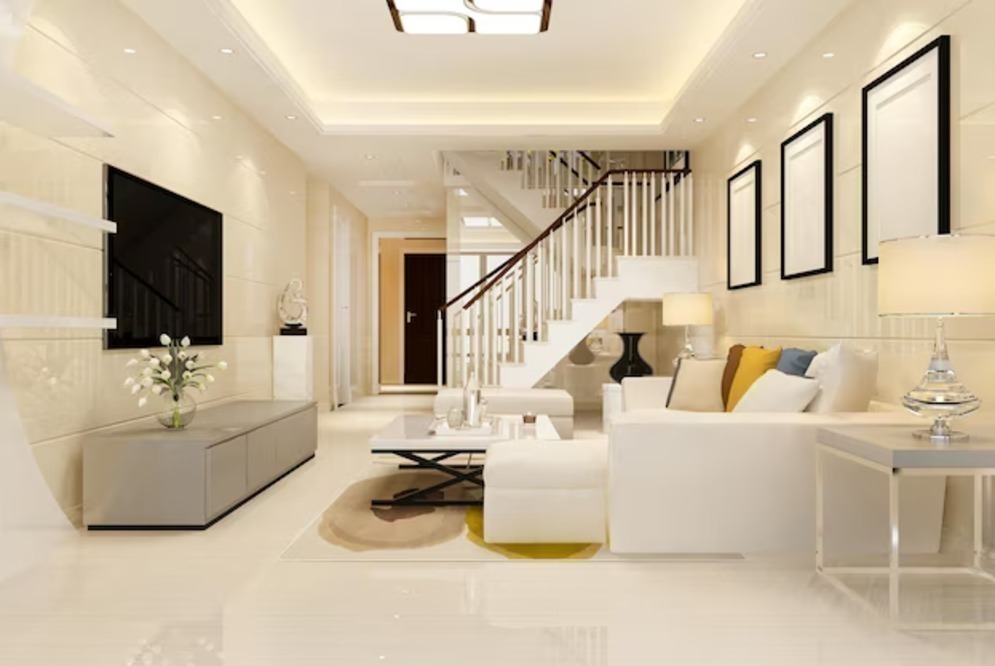
Reference images can help communicate preferences, but they should be treated as direction rather than instructions to reproduce another property. Room dimensions, natural light, layout, family requirements, and budget can all influence how a particular aesthetic translates into your home.
Budget discussions are equally useful at an early stage. A realistic range helps determine where to prioritise spending and whether the desired materials, furniture, renovation scope, and detailing align with available resources.
Homeowners should also discuss lifestyle. A household with young children may have different material and storage priorities from a couple who frequently entertain guests. Someone working from home may need acoustic privacy, integrated charging, and an ergonomic workspace.
Renewed Interior works with homeowners in Pune on interior planning and related residential requirements, allowing initial discussions to focus on both functional priorities and design expectations.
A consultation should provide clarity rather than simply produce a collection of décor ideas. When homeowners bring relevant information and communicate how they want the property to function, the designer can develop recommendations around real needs. That creates a stronger foundation for everything that follows, from space planning and 3D design to material selection, furniture development, and execution.