Smart interiors can range from simple automated lighting to integrated controls for curtains, climate, entertainment, security, and appliances. The challenge is deciding which features genuinely improve everyday living and which ones add complexity without meaningful benefit.
For homeowners in Punawale, Pune, the most useful starting point is routine. Technology should respond to activities that happen frequently rather than being installed simply because a feature is available.
Lighting is a practical example. Different preset lighting scenes can support activities such as watching television, entertaining guests, reading, or winding down at night. Sensors can also be useful in selected passages, wardrobes, or utility areas where automatic operation provides genuine convenience.
Curtain or blind automation may be worth considering for large windows, difficult-to-access openings, or households that want scheduled control of daylight. However, conventional operation may remain perfectly adequate for easily accessible windows.
Smart interior planning can include:
Automated or app-controlled lighting
Selected motion sensors
Smart switches
Motorised curtains
Climate controls
Integrated entertainment systems
Video door and security integration
Charging points and concealed device storage
The timing of these decisions matters. Home automation discussed after ceilings, cabinetry, and electrical work are complete can require additional modifications. Planning the required wiring, control points, network access, and device locations earlier can produce a cleaner result.
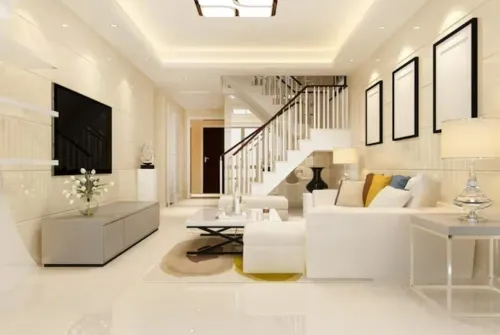
Home theatre design requires similar coordination. Screen size, viewing distance, speaker positioning, electrical connections, lighting control, ventilation, and cable management should ideally be considered together.
Reliability should remain a priority. Homeowners should understand whether essential functions can still operate manually if a smart device, internet connection, or controller is temporarily unavailable.
Future compatibility is worth considering as well. Technology changes faster than furniture and architectural finishes. Creating accessible wiring routes or adaptable electrical infrastructure can sometimes be more useful than filling a home with devices that may become outdated.
Renewed Interior can integrate smart features into the broader interior plan when technology forms part of the homeowner's requirements. The goal should be coordination between technology and design rather than treating automation as a separate layer added at the end.
For Punawale homeowners, smart interiors are most effective when they quietly simplify repeated tasks. A thoughtfully planned home with five genuinely useful automated functions can provide more value than one containing dozens of features that occupants rarely use.