
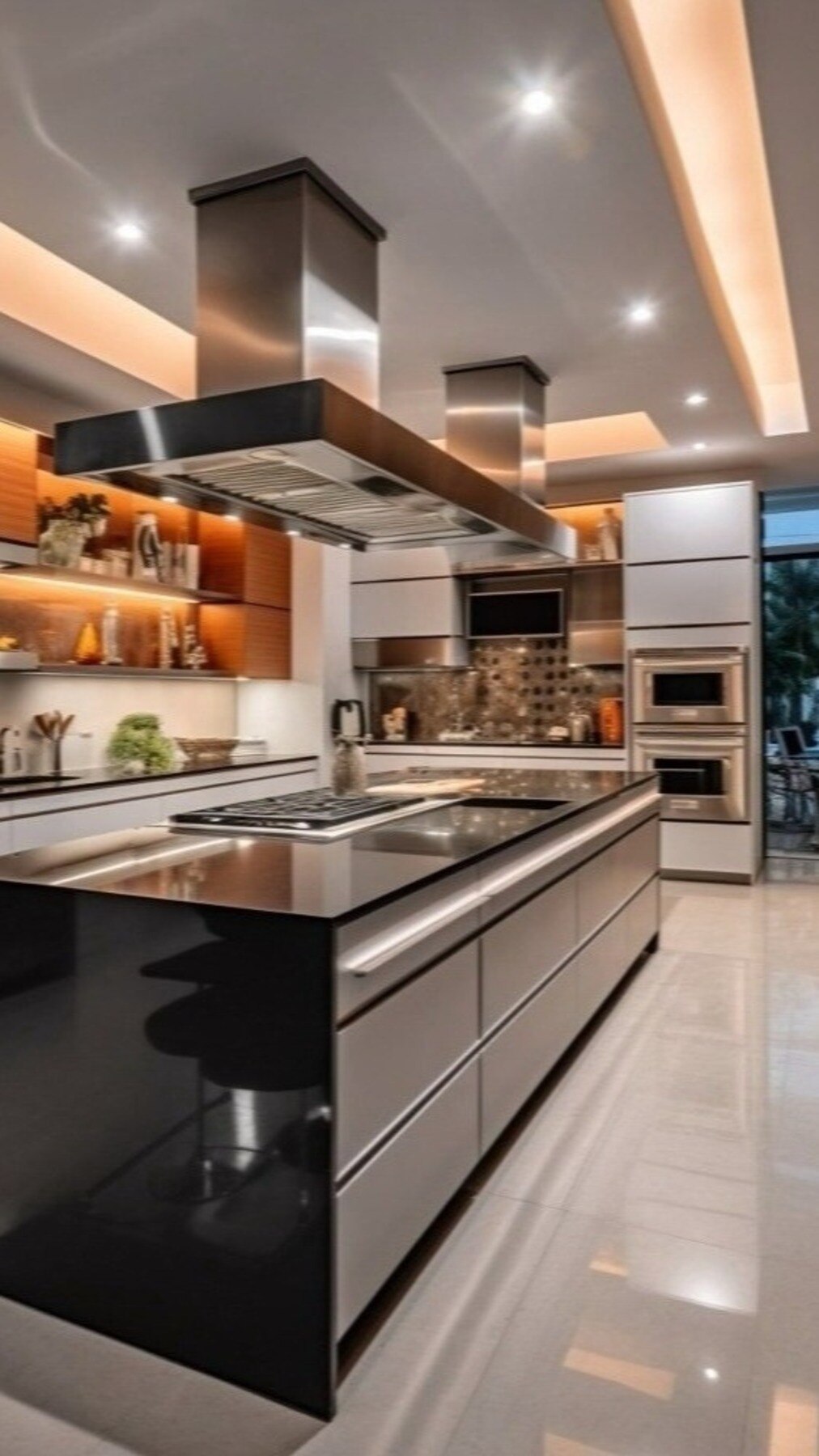
Festival vessels, bulk groceries, pickling jars and winter appliances can quickly occupy every shelf and worktop in a Pune apartment kitchen. You will be able to sort these items, assign them to safer and more accessible storage, and build a rotation system that adapts as the season and household needs change.
Key takeaways
- Inventory every item with dimensions, weight, lid and handle clearances.
- Choose drawers, shelves or pull-outs according to access and load.
- Keep heavy appliances low and seasonal items outside prime-use zones.
- Label rotating stock with dates, seasons and food-safety requirements.
Start With a Seasonal Kitchen Inventory, Not Cabinet Accessories
Count every item before choosing a drawer, shelf or cabinet. Record its dimensions, weight, season, food-safety needs and frequency of use. Measure pressure cookers, tavas, stockpots, mixer jars, grain containers, pickling jars, festival vessels and serving platters with handles and lids in place.
- Mark daily items such as spices, staples and cookware used several times a week. Keep these in the active zone between waist and eye level, close to preparation or cooking areas.
- Separate weekly and occasional items, including air fryers, rice cookers, extra crockery and large servingware. Note the appliance’s required ventilation and operating clearance; never plan to run a heat- or steam-producing appliance inside a closed cabinet unless both are designed for it.
- Create a seasonal group for festival utensils, winter appliances, bulk groceries and rarely used cookware. Assign these a temporary home in a tall unit or loft instead of permanent counter space.
- Isolate food from non-food items. Store grains, flour, spices and snacks in completely dry, airtight, food-safe containers, not open packets or cardboard cartons, especially during Pune’s monsoon.
- Rank each item by lifting difficulty. Heavy pans and stockpots need shallow or medium-depth, full-extension drawers with reinforced bottoms and a stated load rating; deep shelves turn forgotten items into clutter traps.
This inventory produces seasonal kitchen clutter solutions based on real use rather than attractive accessories. It also gives a designer a clear brief for storage solutions modular kitchen for clutter in pune, including the household’s largest item and its actual access pattern.
Choose Storage Formats by Access, Weight and Clearance
A wide, full-extension drawer usually solves kitchen storage problems in Pune better than another deep cabinet. Shallow or medium-depth drawers let you lift pans, festival utensils and containers without unloading the front; specify reinforced bottoms and a manufacturer-rated load for cast iron and bulk cookware.
| Format | Best use | Check before choosing |
|---|---|---|
| Wide full-extension drawers | Heavy pans, servingware and stacked containers | Bottom reinforcement, load rating and clear opening |
| Adjustable shelves | Light groceries, jars and appliances | Shelf depth that leaves rear items visible |
| Tall pull-out pantry | Rice sacks, pickling jars and seasonal staples | Rated load, anti-tip provision and serviceable runners |
| Corner carousel or magic corner | Small items in otherwise inaccessible corners | Hardware fixing, moving clearance and load rating |
Tall pull-out pantries expose more than overhead lofts, but their hardware carries greater loads and costs more. A fixed corner with wide drawers is the lower-maintenance choice when you store heavy cookware. Do not assume a carousel creates extra capacity; it exchanges some volume for access.
Keep daily cookware and staples between waist and eye level. Shift bulk groceries, extra crockery and rarely used appliances into a tall unit or loft, but reserve a measured appliance bay for the actual mixer-grinder, air fryer or rice cooker. Leave operating clearance around heat- and steam-producing appliances.
Under the sink, retain rear visibility, a removable leak tray and space around the waste pipe; a sealed false back can hide a slow leak.
Place Seasonal Storage Correctly in Each Kitchen Layout
Good modular kitchen organization in Pune starts with an active zone, not permanent counter space. Keep daily cookware and staples between waist and eye level; move festival vessels, bulk rice, pickling jars and rarely used appliances higher only after their season.
| Layout | Seasonal utensils and groceries | Seasonal appliances |
|---|---|---|
| L-shaped | Use the tall unit at the end of the run for serving platters, extra crockery and sealed bulk groceries. Keep corner storage for infrequent cookware, not daily pans. | Place a measured appliance bay on the short leg, near a socket but away from the sink. |
| U-shaped | Reserve one upper cabinet or tall pantry for festival vessels and sealed grains. Keep the busiest base drawers clear of seasonal stacks. | Use an end run for the mixer-grinder, air fryer or rice cooker, leaving ventilation and lifting clearance. |
| Parallel | Put seasonal food in the pantry side and servingware in high cabinets on the opposite run. Keep the walkway free of temporary boxes. | Store appliances in one end cabinet, not across the circulation gap. |
| Island | Keep heavy seasonal cookware in deep, full-extension island drawers with specified load ratings. Store food in the wall pantry, away from heat. | Use the island only for a ventilated bay designed for the actual appliance. |
These storage solutions for a modular kitchen for clutter in Pune fail if moisture reaches stored goods. Ventilate after pressure-cooking, keep cleaners separate from food, and never run a heat- or steam-producing appliance inside a closed cabinet unless it was designed for that use.
Build a Safe Rotation System for Food, Appliances and Servingware
Create a two-tier rotation: keep only the current season’s essentials in the active zone, and store everything else in clean, labelled containers. This is one of the most effective seasonal kitchen clutter solutions for a compact Pune home.
- Before monsoon, move bulk grains, flours, spices and snacks into completely dry, airtight food-safe containers. Do not store open packets or cardboard cartons in lofts; humidity causes caking, mould and pests. Add the purchase date and use older stock first.
- Keep festival vessels, serving platters and rarely used cookware in lidded boxes on a tall-unit shelf or loft. Use washable covers to block Pune dust, and leave enough clearance to remove each box without unloading the cabinet.
- Store the mixer-grinder, air fryer, rice cooker and toaster in a measured appliance bay. Check each appliance’s width, depth, plug position and operating clearance; never run a heat- or steam-producing appliance inside a closed cabinet unless both are designed for it.
- Prevent refrigerator overload by reserving space before buying seasonal perishables. Cool cooked food promptly, refrigerate it within two hours, keep vents unblocked and label leftovers with the storage date.
Ventilate the kitchen after boiling or pressure-cooking. An outdoor-discharge chimney or exhaust fan removes moisture more effectively than recirculation filters. For modular kitchen organization in Pune, keep cleaning chemicals separate from food, and make the under-sink cabinet inspectable with a removable leak tray, visible pipe access and no sealed false back.
Specify the Details That Prevent Storage Failures
Measure the largest item before approving a drawer or shelf. Verify internal width, depth, height, door opening and handle clearance for pressure cookers, tavas, mixer jars, stockpots and serving platters. A wide full-extension drawer is useful only if its reinforced base has a stated load rating for heavy utensils.
Ask for a serviceable layout, not just a neat elevation drawing. Check that hinges, drawer runners, plumbing joints, electrical points and appliance vents remain reachable after installation. For kitchen storage problems in Pune, this prevents a deep cabinet from hiding forgotten containers or forcing you to dismantle modules during repairs.
Use this verification checklist:
- Confirm waist-to-eye-level space for daily cookware, spices and staples; place seasonal bulk items in an accessible tall unit or loft.
- Specify ventilation for cabinets exposed to steam, and confirm the chimney or exhaust fan discharges outdoors. Recirculating filters remove grease, not the same quantity of moisture.
- Require a removable leak tray under the sink, visible rear corners and clearance around the waste pipe. A sealed false back can hide a slow leak until panels swell.
- Keep an LPG cylinder upright, ventilated, heat-protected and reachable for regulator inspection; never enclose it tightly in decorative storage.
- Check that removable shelves, replaceable runners and standard hardware remain available for servicing.
When comparing storage solutions modular kitchen for clutter in Pune, ask Renewed Interior to mark these clearances and access points on the final drawing before fabrication.
Frequently asked questions
How should you start solving seasonal kitchen clutter?
Create an inventory before buying cabinet accessories. Measure each item with its lid and handles in place, then record weight, season, frequency of use and food-safety needs.
Which storage format suits different kitchen items?
Use storage based on access, weight and clearance: drawers for frequent items, shelves for lighter goods, and strong lower cabinets or pull-outs for heavy appliances and vessels.
Where should seasonal items go in a modular kitchen layout?
Place daily-use items in the easiest-to-reach zones, heavy cookware in low storage, and seasonal servingware or festival vessels in higher or less accessible cabinets with sufficient clearance.
How can you prevent food, appliance and servingware rotation failures?
Group items by season and use, label containers, check expiry dates, protect food from moisture, and rotate appliances and servingware without blocking daily-use storage.
What details should you specify to prevent storage problems?
Give the designer item dimensions, weights, handle and lid clearances, shelf or drawer load requirements, ventilation needs, moisture protection and the access frequency for each category.