Smart interiors are most useful when technology solves a real household need. Automated lighting, motorised curtains, integrated entertainment systems, charging points, and connected controls can improve convenience, but adding technology without planning can result in unnecessary complexity.
For Pune homeowners considering smart interiors, electrical planning should happen early. Many smart features depend on power points, wiring routes, network connectivity, switches, controllers, or equipment locations. Adding these after furniture and wall finishes are complete may require avoidable alterations.
Lighting is a practical starting point. Different scenes can support reading, entertaining, watching television, working, or relaxing. Rather than filling a home with gadgets, homeowners can identify frequently repeated actions that automation could simplify.
Technology may be considered for:
Lighting control
Curtains and blinds
Climate control
Entertainment systems
Door access
Selected security functions
Charging stations
Home theatre equipment
Appliance integration
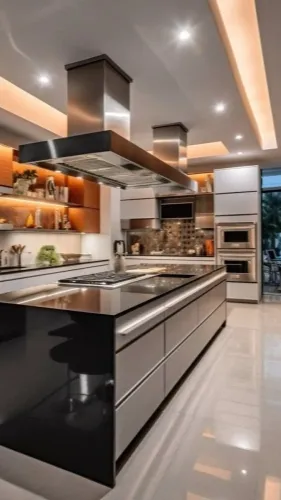
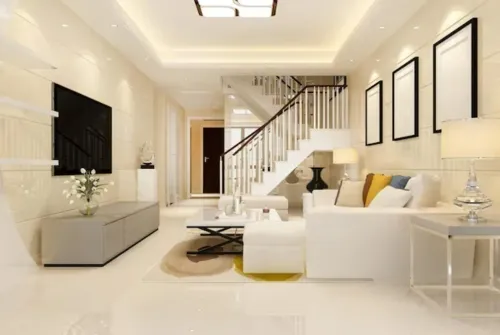
The physical interior should still work when technology is not being actively used. A smart living room needs comfortable seating and good circulation just as much as automated lighting. A connected kitchen still requires appropriate storage and efficient workflow.
Maintenance and accessibility deserve consideration too. Controls should be intuitive for household members, and important functions should not become unnecessarily difficult to operate. Planning accessible switches or manual alternatives can make the system more practical.
Pune homes also vary considerably in age and electrical infrastructure. Integrating smart features into a new apartment may involve different considerations from retrofitting them during an interior makeover of an older property.
Renewed Interior can incorporate technology requirements into the broader interior planning process so that wiring, furniture, lighting, and equipment positions are considered together rather than independently.
Smart interior design works best when technology becomes almost invisible in daily life. Instead of making the home feel more complicated, it should remove small inconveniences, support different activities, and integrate neatly with the visual character of the space. Starting with genuine household needs helps homeowners decide which features deserve investment and which can be left out.